📞WhatsApp: +8618016466826 ✉ sales@linkbridgeoil.com

How to Choose the Right Ball Valve for Pipeline Applications
Ball valves play a critical role in pipeline systems across oil & gas, petrochemical, and energy industries. Selecting the right ball valve for pipeline applications is essential to ensure safety, reliability, and long-term operational performance. This guide explains the key factors engineers and procurement teams should consider when choosing a ball valve for pipeline service.
Linkbridge
1/9/20262 min read
What Is a Ball Valve in Pipeline Applications?
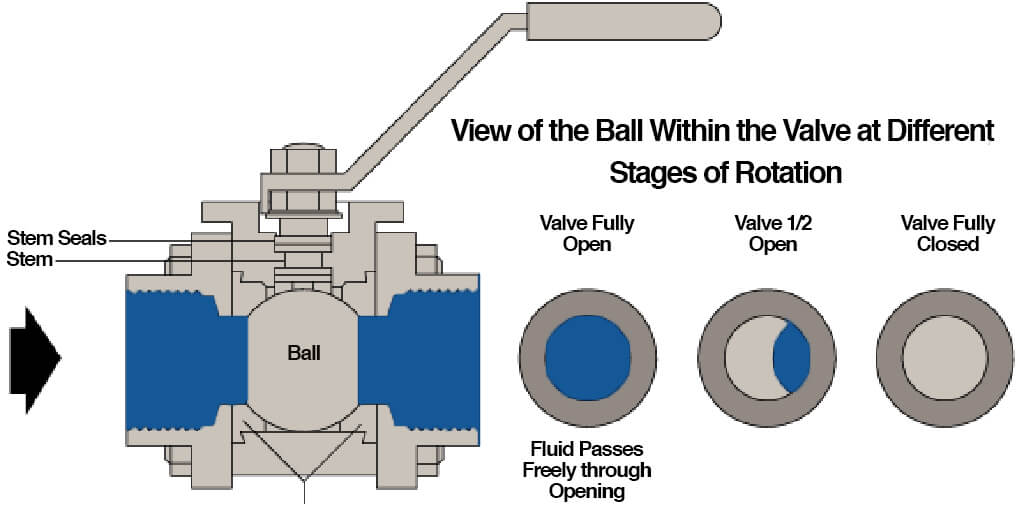
A ball valve is a quarter-turn valve that uses a spherical closure element (ball) to control fluid flow. In pipeline systems, ball valves are primarily used for:
On/off isolation
Emergency shut-off
Pigging operations
High-pressure flow control
Because pipelines often operate under high pressure and harsh environments, ball valves used in pipelines must meet strict international standards and performance requirements.
Key Factors to Consider When Selecting a Pipeline Ball Valve
2. Pressure Rating and Size
Pipeline ball valves must be selected based on:
Nominal size (DN / NPS)
Pressure class (ASME Class or PN)
Maximum operating pressure
Common pipeline valve pressure classes include:
Class 150 / 300 / 600
Class 900 / 1500 / 2500
Oversizing or undersizing a valve can lead to operational inefficiencies and safety risks, so accurate system data is essential.
1. Valve Design: Floating vs Trunnion Mounted
The first decision is choosing the appropriate valve design.
Floating Ball Valves
Suitable for small to medium sizes
Lower pressure applications
Simple structure and cost-effective
Trunnion Mounted Ball Valves
Recommended for large-diameter pipelines
High-pressure and long-distance transmission
Reduced operating torque and improved sealing reliability
For most oil and gas transmission pipelines, trunnion mounted ball valves are the preferred choice due to their stability and durability.
3. Applicable Standards and Certifications
Compliance with international standards is critical for pipeline projects.
For pipeline ball valves, the most commonly required standards include:
API 6D – Pipeline valves
ISO 14313 – Petroleum and natural gas industries — Pipeline transportation systems
ASME B16.34 – Valve design and pressure ratings
For export and EPC projects, API 6D certification is often mandatory.
👉 If you are sourcing pipeline valves, working with an API 6D certified manufacturer is strongly recommended.
4. Material Selection
Material choice depends on:
Medium (oil, gas, crude, sour service)
Operating temperature
Corrosion environment
Common materials include:
Carbon steel (WCB, A105)
Low-temperature carbon steel (LCC, LF2)
Stainless steel (CF8, CF8M)
For sour service applications, valves must comply with NACE MR0175 / ISO 15156 requirements.
5. Sealing Performance and Safety Features
Pipeline ball valves should offer:
Reliable upstream and downstream sealing
Fire-safe design (API 607 / API 6FA)
Anti-static and blowout-proof stem design
For critical pipelines, double block and bleed (DBB) functionality is often specified to enhance operational safety.
Common Mistakes When Choosing Pipeline Ball Valves
Many valve selection issues arise from the following mistakes:
Selecting valves based on price only
Ignoring applicable pipeline standards
Underestimating operating pressure and temperature
Choosing non-certified manufacturers
Avoiding these errors can significantly reduce maintenance costs and unplanned downtime.
Recommended Ball Valves for Pipeline Applications
For oil and gas pipeline systems, API 6D ball valves are widely recognized as the industry standard.
They are designed specifically for:
Long-distance transmission pipelines
High-pressure applications
Reliable shut-off and pigging operations

Engineering Support
Choosing the right ball valve for pipeline applications requires careful consideration of valve design, pressure rating, standards, materials, and safety features. Working with an experienced and certified manufacturer ensures compliance, reliability, and long-term performance.
If you are planning a pipeline project or need assistance selecting suitable ball valves, professional technical support is essential.
Send us your pipeline specifications or drawings. Our engineering team will review your requirements and provide suitable valve solutions and technical documentation.
🏢 Linkbridge Oilfield Supply and Service Co.,Ltd.
📍 26F Huayu Building, No.132 Xuefu Street, Taiyuan City, China
🌍 sales@linkbridgeoil.com
For technical inquiries, quotations, and project support
Send us your technical requirements or drawings. Our engineering team will respond with suitable solutions and specifications.
CONTACT US
Linkbridge's equipment is top-notch! Their API 6A gate valve, wellhead and safety systems have proven reliable in our operations, ensuring durability even in the toughest conditions. Highly recommend!
★★★★★